Everything we do. Find the one that fits your kid.

Handwriting, big-body skills, hands, sensory work, big feelings, and small groups. Every one of them starts the same way: a comprehensive initial evaluation, one-on-one with a licensed occupational and physical therapist, in a 2,100 square foot sensory gym.

Ages 2 to 16 You watch every session live

Explore Each Service

Seven ways we work with kids.

All seven happen in the same 2,100 square foot sensory gym, with slides, monkey bars, climbing walls, and a zipline inside it. You watch every minute of it on the live feed in the waiting room.

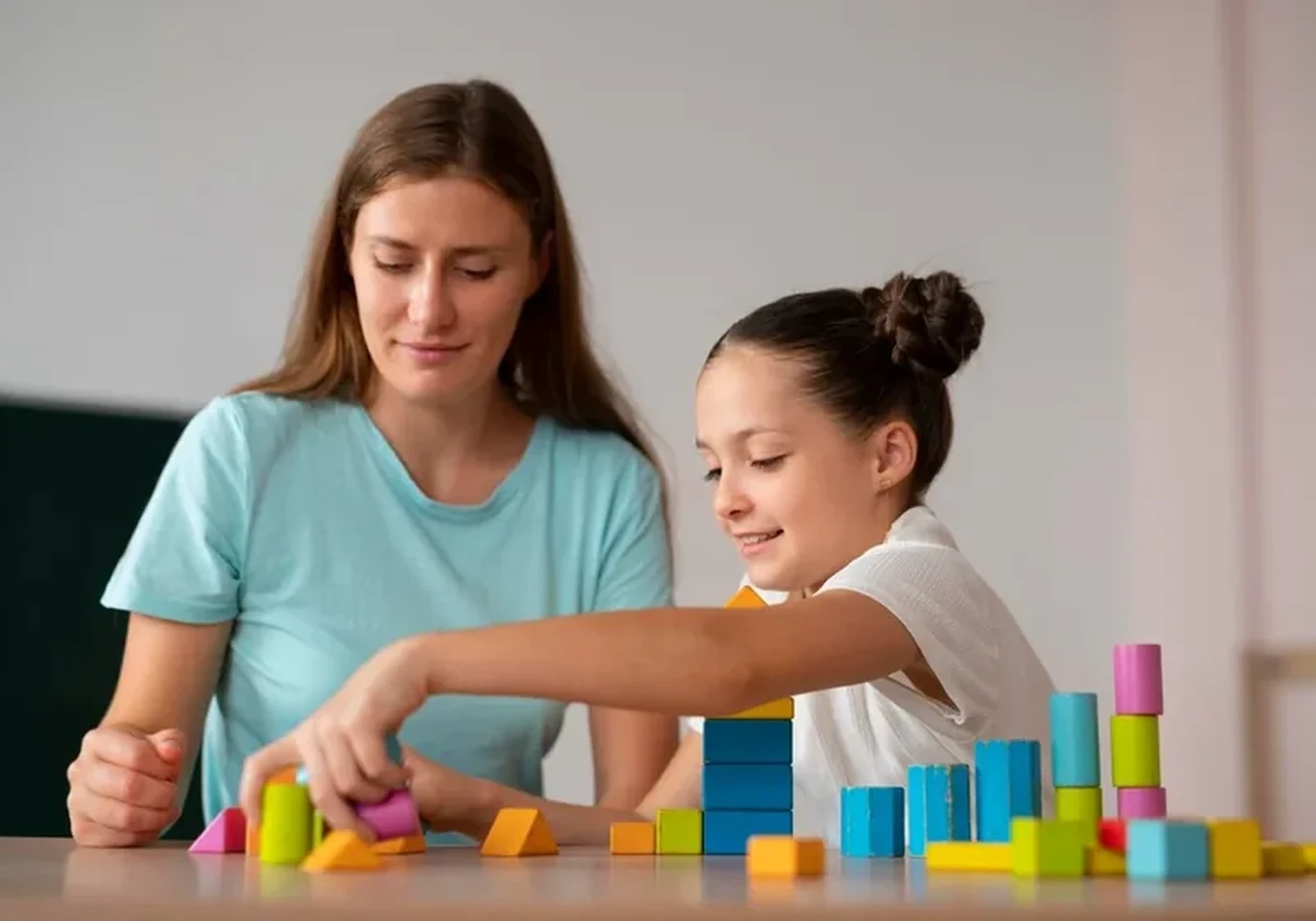
An occupational therapist working one-on-one with a child
Ages 2 to 16 Play-based One-on-one

Pediatric Occupational Therapy

This is where most families start. A comprehensive initial evaluation that looks for the cause behind what you have been noticing, then sessions built around your child’s real goals, one-on-one with a licensed occupational and physical therapist. If you are not sure which service you need, you need this one first.

  • An evaluation that finally names what is going on
  • Sessions built around your child, not a worksheet
  • A plan with an endpoint and a home program at the end of it
Learn More
A child working on strength and balance
Strength Balance Coordination

Pediatric Physical Therapy

For the kids whose bodies are the bottleneck. Strength, walking, stairs, endurance, and balance, worked on climbing walls and monkey bars instead of a treatment table. If your child asks to be carried on walks other kids run, start here.

  • Core and leg strength that lasts a whole recess
  • Steadier walking, running, and stair climbing
  • Fewer trips, fewer falls, fewer requests to sit out
Learn More
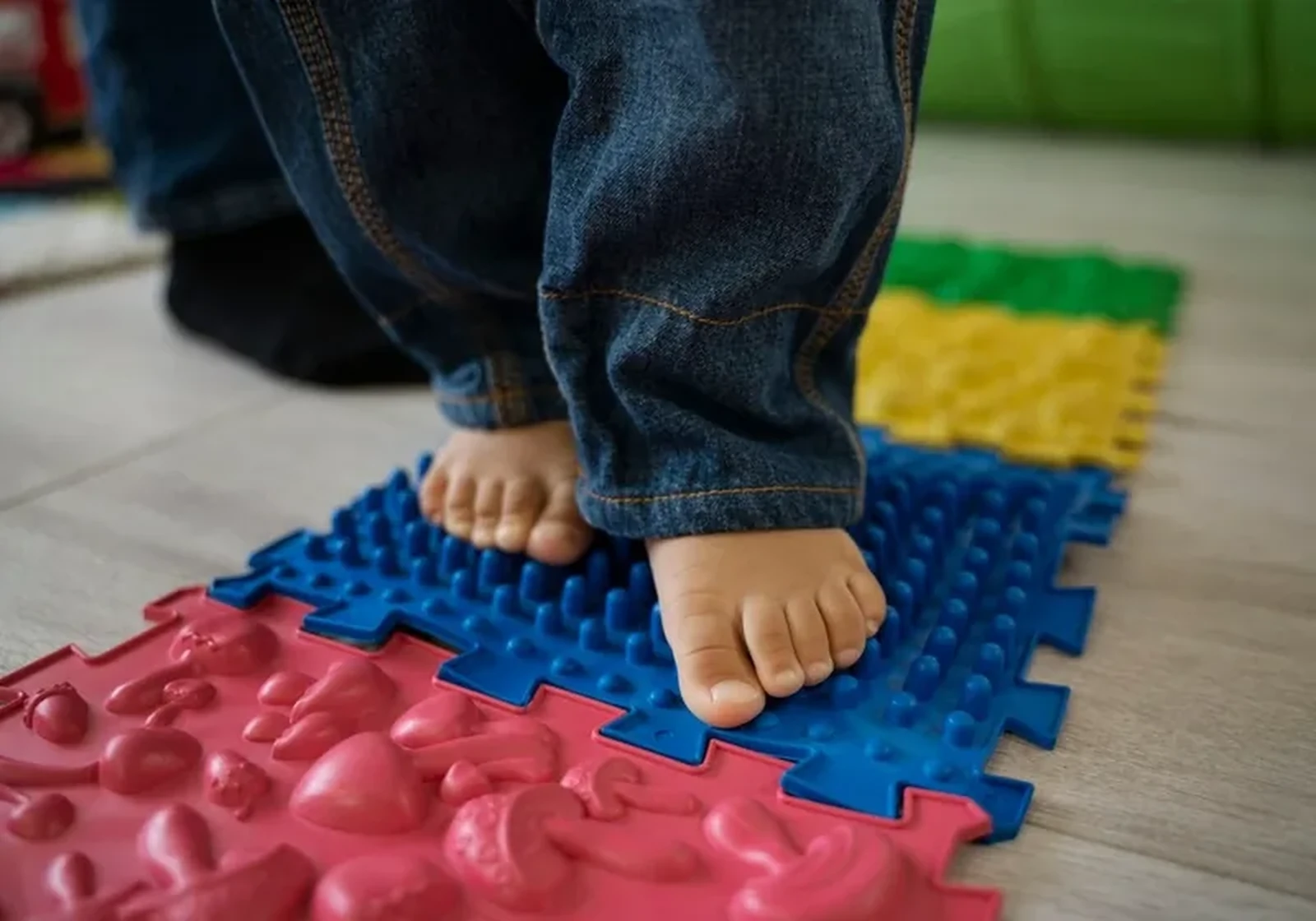
A child using sensory equipment during a therapy session
Sensory gym Regulation

Sensory Processing Therapy

For the child who covers her ears in the cafeteria, and for the one who crashes into everything looking for more. We build the systems underneath so the world stops arriving too loud or too far away, in a gym designed for exactly that.

  • Fewer meltdowns over tags, socks, and noise
  • Easier transitions between places and activities
  • Restaurants and birthday parties back on the table
Learn More
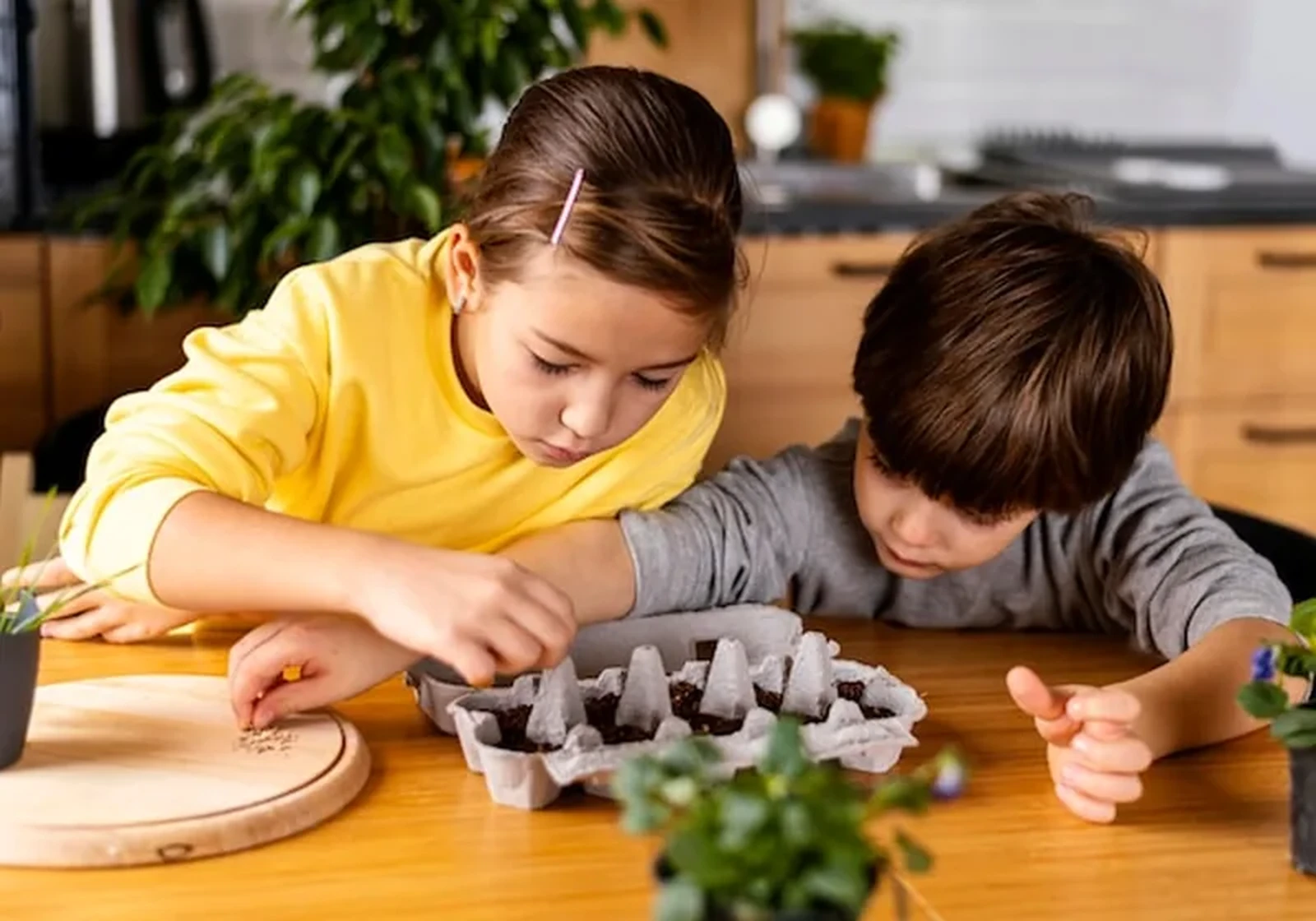
A girl and a boy dropping tiny seeds into an egg carton at a kitchen table
Big feelings Transitions

Self-Regulation Skill Development

Big feelings are not a behavior problem. This is the work of catching the feeling early, naming it, and having something to do about it that is not the floor of the grocery store. Your kid is not giving you a hard time, he is having one.

  • Strategies your child uses without being prompted
  • Shorter meltdowns, and faster recovery after them
  • Words instead of tears when something goes wrong
Learn More
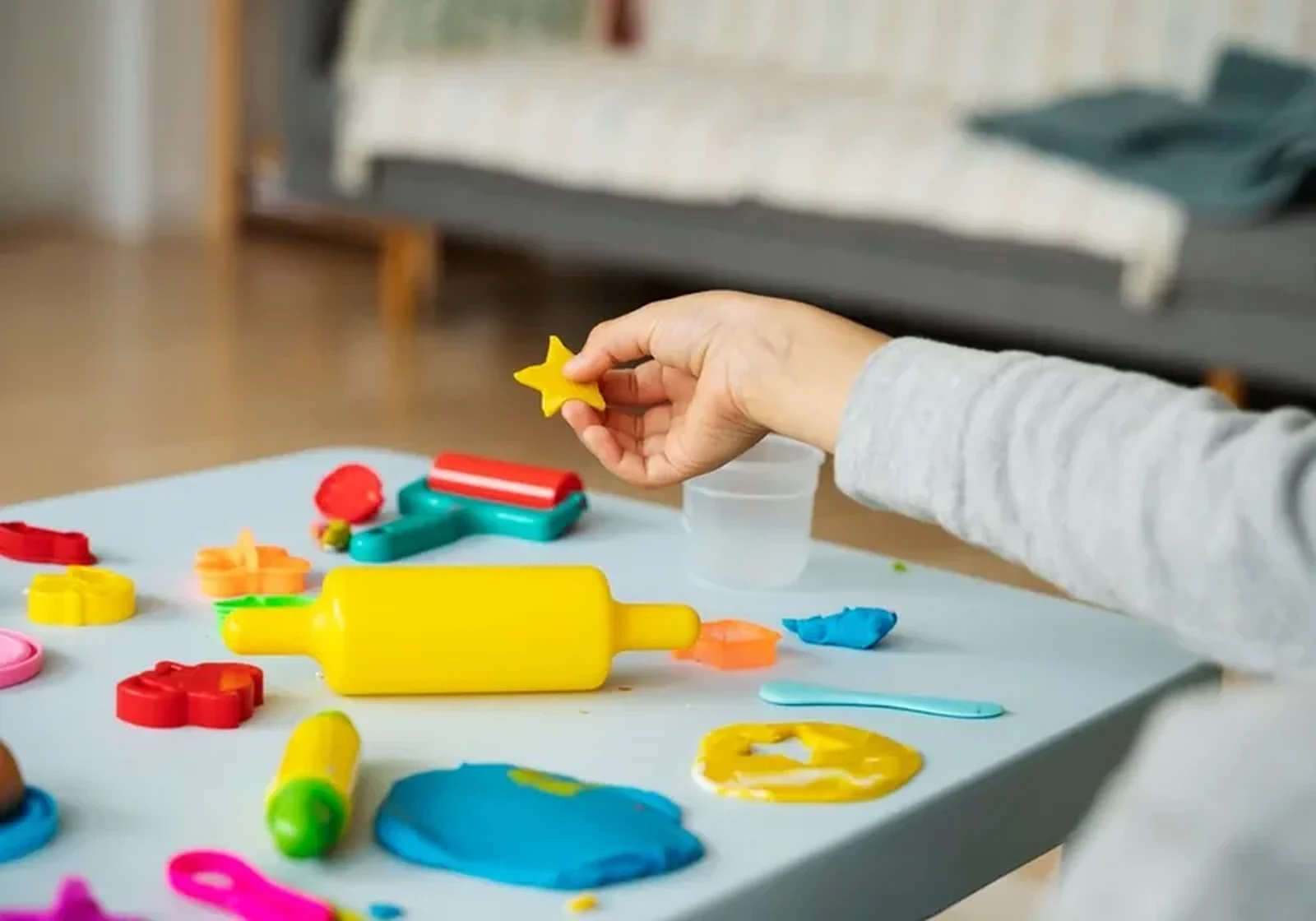
A child pinching a small star-shaped cutter over a table of play dough
Grip Buttons and zippers

Fine Motor Development

The small, precise work of hands. Grip strength, finger control, and the endurance to finish a task without the hand giving out halfway. This is the difference between getting dressed on his own and getting dressed by you.

  • Buttons, zippers, and shoe laces done alone
  • A pencil grip that does not ache after one page
  • Cutting, threading, and building without the frustration
Learn More
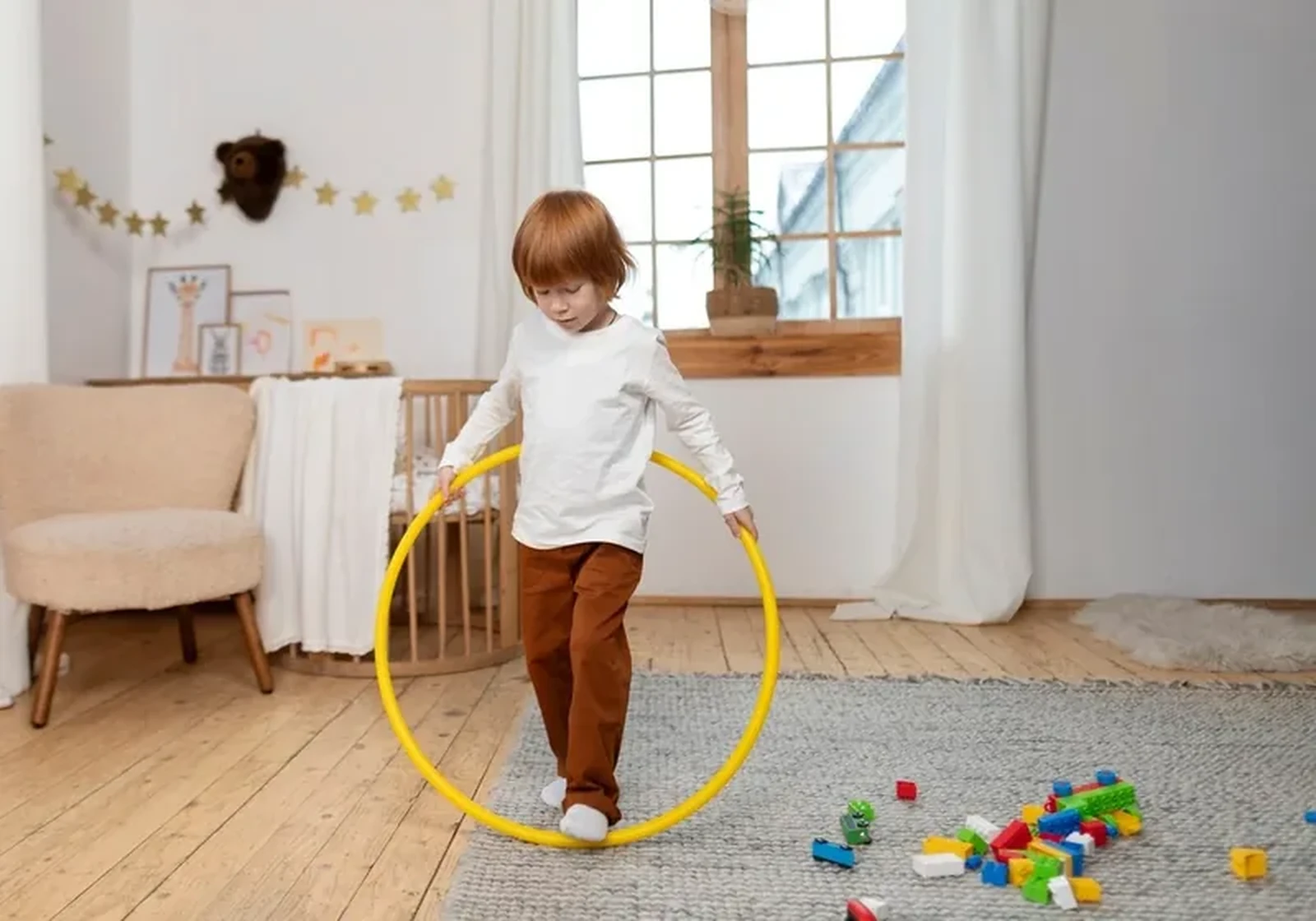
A child stepping through a large yellow hoop at home
Core strength Motor planning

Gross Motor Development

Running, jumping, climbing, balance, coordination, and the motor planning underneath all of it. These are the big-body skills that decide whether recess is the best part of your kid’s day or the part he quietly dreads.

  • Climbing the play structure without asking for a boost
  • Keeping up with the pack instead of trailing it
  • Gym class that stops ending in tears
Learn More
A child working on letter formation at a table
Letter formation School-ready

Handwriting Classes

Letter formation, spacing, line control, pencil grip, and the hand endurance to reach the bottom of a page, plus copying off the board fast enough to keep up with the class. This is how homework stops being a two-hour fight.

  • Letters that sit on the line and face the right way
  • Work the teacher can read without asking him
  • Notes off the board before the board gets wiped
Learn More

Which One Do We Need?

OT, PT, a group, or handwriting? Here’s the short version.

If it is hands, buttons, zippers, or the pencil, start with occupational therapy. If it is the whole body, running, stairs, climbing, falling, start with physical therapy. If the letters themselves are the fight, that is handwriting. If your child can do the skill with you and loses it the second there are other kids in the room, that is a group. And if what you are actually describing is meltdowns, noise, tags, or transitions, that is sensory and self-regulation work. If two of those sound right, you are not confused, most kids sit in two. You have known something was different for a while now, and you do not have to sort it out alone: the comprehensive initial evaluation is where we name it, one-on-one with a licensed occupational and physical therapist, and hand you a plan with an endpoint. Waiting is the only option here with a cost, because skills build on skills, and the year spent guessing is a year your kid works harder than everyone around them just to keep up.

Talk to a Specialist

Book Your Visit

Ready when you are.

Tell us what you’re noticing at home. A real person calls you back to set up the comprehensive evaluation. No phone tree. No ‘someone will reach out.’

  • Hours Mon–Thu 1:00pm–7:00pm · Fri 10:00am–7:00pm · Sat 9:00am–2:30pm · Sun Closed
  • (516) 744-7550 Prefer to just talk it through? Call us.
  • Saturday appointments, 9:00am to 2:30pm

5.0 · 28 Google reviews

Ages 2 to 16, individual and group

Step 1 of 5

So we know who to look for when you and your child walk in.

Visit Us

Right on Merrick Road, in Baldwin.

Planet Sensory